
Shipping a vehicle can be a convenient alternative to driving long distances, especially when moving to another state, purchasing a car from a distant seller, or relocating for work. For drivers in Los Angeles, understanding the auto transport process can make planning easier and help avoid unexpected surprises.
American Vehicle Transport provides information about vehicle shipping options, including open car transport, enclosed car transport, door-to-door auto transport, and state-to-state vehicle transportation.
What Is Auto Transport?
Auto transport is the process of moving a vehicle from one location to another using a specialized car carrier or transport truck. Instead of driving the vehicle yourself, you arrange transportation with an auto transport provider.
Depending on your needs, you may choose an open carrier, an enclosed carrier, or a door-to-door transportation arrangement. Your route, vehicle type, pickup location, and delivery destination can influence the available options and total cost.
Step 1: Request a Car Shipping Quote
Start by gathering the information needed for an accurate quote. This generally includes your vehicle’s make, model, year, pickup location, delivery destination, and preferred shipping dates.
You should also mention whether the vehicle is running, whether it has special clearance requirements, and whether you need enclosed transportation. Providing accurate details helps the transport provider evaluate your requirements.
Step 2: Choose Your Transportation Method
Open car transport is a common option for everyday vehicles. Cars travel on an open carrier, making this option worth considering for customers who prioritize practical transportation.
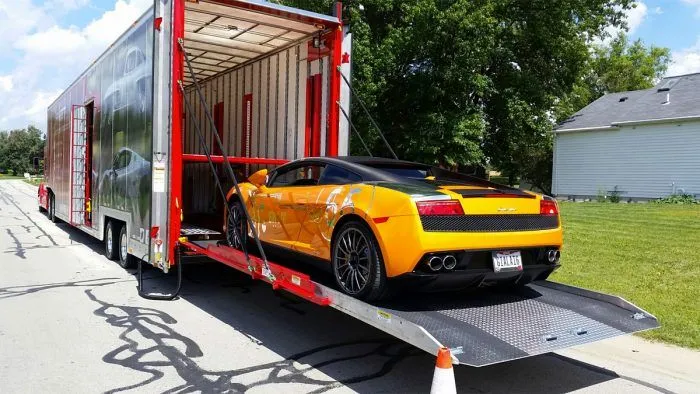
Enclosed car transport moves vehicles inside a covered trailer. It may be suitable for classic cars, luxury vehicles, collector vehicles, or cars that need additional protection from weather and road debris.
Door-to-door auto transport focuses on convenient pickup and delivery near your specified addresses, where truck access and local restrictions permit.
Step 3: Prepare Your Vehicle
Before pickup, remove personal belongings and unnecessary accessories. Clean the vehicle so you can inspect its exterior, check for existing scratches or dents, and photograph its condition.
Make sure the vehicle is accessible and that the transport provider has accurate contact information. Follow the provider’s instructions regarding fuel level, keys, alarms, and vehicle preparation.
Step 4: Review the Pickup Inspection
At pickup, review the vehicle’s condition with the driver or representative and ensure any existing damage is documented on the appropriate inspection report or bill of lading.
Keep a copy of the paperwork and your photographs. Ask how condition inspections are handled at delivery and what documentation you should retain if you identify new damage.
Step 5: Coordinate Delivery
Delivery dates can depend on route distance, traffic, weather, carrier availability, road restrictions, and other circumstances. Confirm the estimated delivery window and communication arrangements before transportation begins.
At delivery, inspect the vehicle carefully in good lighting before signing the final paperwork. Compare its condition with the pickup documentation and promptly document any concerns.
How Much Does Car Shipping Cost?
Auto transport pricing varies according to distance, vehicle dimensions and weight, carrier type, route demand, season, pickup accessibility, and scheduling requirements. Enclosed shipping generally costs more than open transport because it uses specialized equipment and offers a different level of vehicle protection.
The best approach is to request a quote based on your specific route and vehicle rather than relying on a general price estimate.