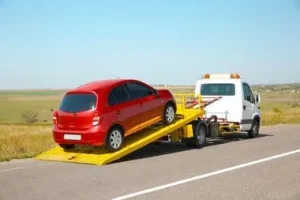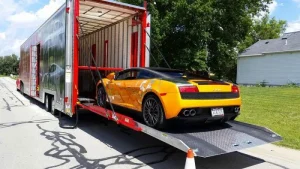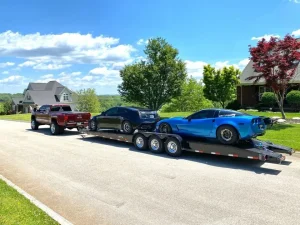

Door-to-door auto transport is designed to make vehicle shipping more convenient by arranging pickup and delivery as close as reasonably possible to your specified addresses. Actual locations depend on truck access, road restrictions, safety, and carrier availability.
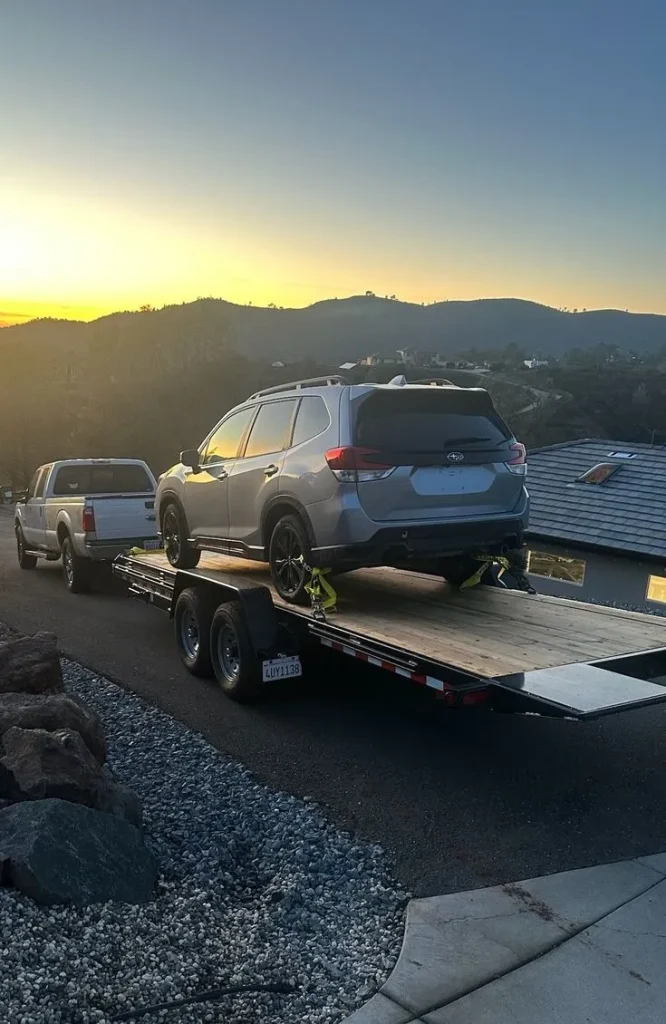
Arranging transportation for a vehicle can involve several moving parts, including scheduling, pickup coordination, route planning, and delivery arrangements. Door-to-door auto transport is designed to simplify this process by coordinating vehicle collection and delivery near the locations you specify.
American Vehicle Transport helps customers explore vehicle shipping arrangements for relocations, vehicle purchases, long-distance moves, and other transportation needs. If you are looking for door-to-door car shipping in Los Angeles, understanding the service can help you prepare for pickup and delivery.
Door-to-door auto transport generally means that the vehicle is collected and delivered as close as reasonably possible to the requested pickup and delivery addresses.
It does not necessarily mean that a large car carrier can enter every residential driveway or park directly outside every building. Narrow streets, low bridges, restricted roads, parked vehicles, local regulations, and limited turning space may prevent direct access.
When a carrier cannot safely reach a requested address, the customer and provider may arrange an accessible nearby meeting location. Confirm the exact pickup and delivery arrangements before transportation begins.
Door-to-door shipping can reduce the need to travel to a distant terminal or arrange separate transportation to and from a vehicle collection point. The actual convenience depends on carrier access and the agreed locations.
You can provide the addresses that best suit your schedule and transportation needs. The provider can then determine whether the carrier can safely access those locations or whether a nearby alternative is necessary.
Moving between homes, changing jobs, or relocating to another state can create many logistical challenges. Coordinating vehicle shipping near your old and new locations may help simplify the process.
If you purchase a car from a seller in another city or state, door-to-door transport may provide a convenient way to arrange collection and delivery without personally driving the vehicle over a long distance.
Door-to-door service can be combined with open or enclosed carrier transportation, depending on the provider’s offerings, vehicle requirements, route, and availability.
Share your complete pickup and delivery addresses, vehicle details, and preferred dates. Include any relevant access restrictions, such as gated communities, narrow roads, parking limitations, or low-clearance entrances.
The transportation provider should evaluate whether the carrier can safely access each location. If direct access is not possible, discuss an alternative meeting point before confirming the booking.
Confirm the quote, transportation method, pickup window, estimated delivery window, payment requirements, cancellation terms, and applicable insurance documentation.
Clarify who will contact you before arrival and how changes to the schedule will be communicated.
Remove personal belongings, document existing damage with photographs, and follow the carrier’s preparation instructions. Ensure that the vehicle’s mechanical condition and any special handling needs have been disclosed.
Be available during the agreed pickup window or arrange an authorized representative if permitted. Review the applicable vehicle inspection report or bill of lading and retain a copy.
Coordinate the delivery location and remain reachable. Inspect the vehicle upon arrival and compare its condition with the pickup documentation. Promptly document any concerns and follow the applicable claims process.
The price of door-to-door auto transport can depend on distance, vehicle dimensions, carrier type, route demand, scheduling flexibility, pickup and delivery accessibility, and whether special handling is required.
Locations that are difficult for large transport trucks to reach may require an alternative meeting point or additional coordination. Any extra charges should be discussed and confirmed according to the applicable agreement.
Choose locations with sufficient space for the carrier to stop and maneuver. Where possible, avoid busy streets, restricted parking areas, and locations with overhead obstructions.
Keep your phone available during the pickup and delivery windows. Notify the provider promptly if your contact information, availability, or access arrangements change.
Before the shipment, confirm the driver’s contact process and clarify whether you or an authorized representative must be present to release or receive the vehicle.
Door-to-door transportation focuses on pickup and delivery near specified addresses. Terminal-to-terminal arrangements, where available, involve delivering or collecting the vehicle at designated facilities.
The most appropriate option depends on convenience, location, availability, cost, and scheduling. Ask the provider to explain which arrangements are available for your particular route.
Find answers to some common questions about car shipping and vehicle transportation.
The cost depends on the shipping distance, vehicle size and weight, carrier type, route demand, scheduling, and pickup and delivery accessibility. Enclosed transport generally costs more than open transport. Request a quote based on your specific vehicle and route for a more accurate estimate.
Open transport carries vehicles on an exposed carrier and is generally a more economical option. Enclosed transport moves vehicles inside a covered trailer, reducing direct exposure to weather and road debris. Your vehicle type, budget, and protection preferences can help determine which option is appropriate.
Transit time varies according to distance, route, traffic, weather, carrier schedules, and other operating conditions. Pickup may also require additional scheduling time. Ask for an estimated pickup and delivery window when requesting your quote.
Door-to-door transport can arrange pickup and delivery as close as reasonably possible to your specified addresses. However, large transport trucks may not be able to access narrow streets, restricted areas, or certain residential locations. A nearby accessible meeting point may be necessary.
Remove personal belongings, clean the exterior, photograph existing damage, disclose mechanical issues, and follow the carrier's instructions. Review the vehicle inspection report at pickup and inspect your car again at delivery. Confirm the applicable insurance information and shipping terms before transportation begins.