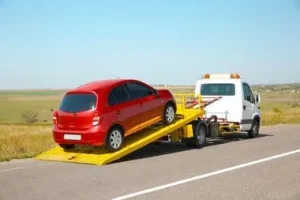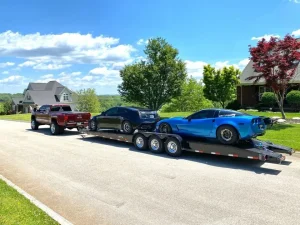

State-to-state auto transport helps customers move vehicles between locations in different U.S. states without driving the entire distance themselves. American Vehicle Transport can discuss route requirements, available carrier types, pickup and delivery arrangements, and the factors that influence interstate vehicle shipping.
Moving a vehicle across state lines can be a practical solution when relocating, purchasing a car from another state, sending a vehicle to a family member, or managing a long-distance move.
Driving hundreds or thousands of miles can require significant time and planning. State-to-state auto transport provides an alternative by arranging for a vehicle to be carried by a specialized transport truck between pickup and delivery locations.
American Vehicle Transport helps customers explore vehicle transportation options from Los Angeles and other locations. If you need to arrange interstate car shipping, understanding the process and the factors that affect your shipment can help you prepare.
State-to-state auto transport, also called interstate auto transport, is the transportation of a vehicle between locations in different U.S. states.
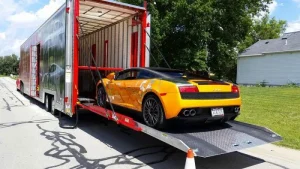
A shipment may involve an open carrier or an enclosed carrier, depending on the vehicle, route, budget, and protection requirements. Open transport is a common option for standard passenger vehicles, while enclosed transport may suit classic, luxury, collector, or specialty automobiles.
Pickup and delivery may be arranged near your specified addresses when truck access permits. The actual locations depend on road restrictions, carrier availability, and the conditions agreed upon before booking.
Moving for a new job, education, family, or lifestyle change often requires coordinating household belongings and transportation. Shipping your vehicle can reduce the need to drive a long distance during an already busy move.
Customers purchasing a car from another state may use auto transport to move it from the seller’s location to their home or another agreed destination. Sellers may also arrange shipping when delivering a vehicle to a buyer in a different state.
Families relocating for personal reasons or students attending institutions far from home may need to move a vehicle between states. Transport arrangements can help reduce the time spent driving and planning a long-distance journey.
Households with more than one vehicle may find that transporting a vehicle is useful when only one person is available to drive or when several vehicles need to be relocated.
Shipping a vehicle can help you avoid personally driving the full route. This may be useful when you have limited time, need to coordinate a move, or prefer not to undertake a long-distance journey.
Depending on availability, customers may choose open transport for a practical shipping option or enclosed transport for additional protection from outdoor conditions.
Transportation can be arranged around agreed pickup and delivery locations. Door-to-door arrangements may be possible when carrier access and road conditions permit.
Arranging vehicle transportation in advance can help you coordinate moving dates, accommodation, work schedules, and other responsibilities.
Provide the pickup and delivery locations, vehicle make and model, year, operating condition, and preferred shipping dates. Mention any modifications or special handling needs.
Discuss open or enclosed transport, carrier availability, pickup arrangements, estimated delivery windows, insurance information, and applicable fees.
Review the written agreement, payment terms, cancellation rules, and responsibilities of the parties involved. If a broker arranges transportation with an independent carrier, clarify the arrangement and obtain the relevant carrier details.
Remove personal belongings, photograph the vehicle, and document existing damage. Follow the provider’s instructions concerning fuel, keys, alarms, and vehicle accessibility.
Coordinate the pickup time and location. Review the inspection documentation and retain a copy. During transit, follow the agreed communication process for updates and schedule changes.
When the vehicle reaches its destination, inspect it carefully before completing the delivery process. Compare its condition with the original records and promptly document any concerns.
Several factors influence state-to-state shipping prices.
Distance and route: Longer journeys may cost more overall, while the price per mile can vary with route length and carrier economics.
Vehicle size and weight: Larger or heavier vehicles may require additional carrier space or capacity.
Carrier type: Enclosed transport generally costs more than open transport.
Route demand: Popular routes and seasonal demand can affect availability and pricing.
Scheduling: Flexible dates may offer more options, while urgent pickup requests can limit availability.
Accessibility and condition: Difficult pickup locations, inoperable vehicles, and special handling requirements may affect the quote.
For an accurate estimate, provide complete details about your vehicle and intended route.
Clean your vehicle and photograph its exterior before pickup. Remove personal belongings and secure or remove loose accessories according to the provider’s instructions.
Confirm the pickup and delivery addresses, the estimated schedule, the carrier’s contact arrangements, and the relevant insurance documentation.
At pickup, review the inspection report or bill of lading. At delivery, inspect the vehicle and promptly follow the agreed reporting process if you notice damage.
Find answers to some common questions about car shipping and vehicle transportation.
The cost depends on the shipping distance, vehicle size and weight, carrier type, route demand, scheduling, and pickup and delivery accessibility. Enclosed transport generally costs more than open transport. Request a quote based on your specific vehicle and route for a more accurate estimate.
Open transport carries vehicles on an exposed carrier and is generally a more economical option. Enclosed transport moves vehicles inside a covered trailer, reducing direct exposure to weather and road debris. Your vehicle type, budget, and protection preferences can help determine which option is appropriate.
Transit time varies according to distance, route, traffic, weather, carrier schedules, and other operating conditions. Pickup may also require additional scheduling time. Ask for an estimated pickup and delivery window when requesting your quote.
Door-to-door transport can arrange pickup and delivery as close as reasonably possible to your specified addresses. However, large transport trucks may not be able to access narrow streets, restricted areas, or certain residential locations. A nearby accessible meeting point may be necessary.
Remove personal belongings, clean the exterior, photograph existing damage, disclose mechanical issues, and follow the carrier's instructions. Review the vehicle inspection report at pickup and inspect your car again at delivery. Confirm the applicable insurance information and shipping terms before transportation begins.