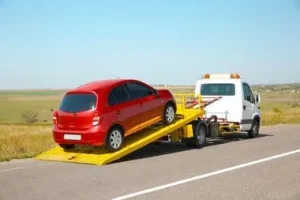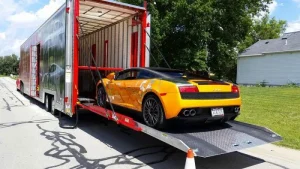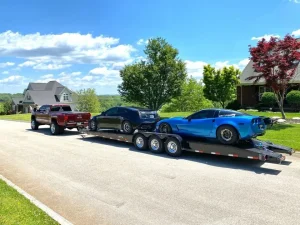

Enclosed car transport moves vehicles inside a covered trailer, reducing their exposure to weather and road debris. It can be a suitable choice for luxury cars, classic automobiles, collector vehicles, and specialty models whose owners prefer additional protection during transportation.
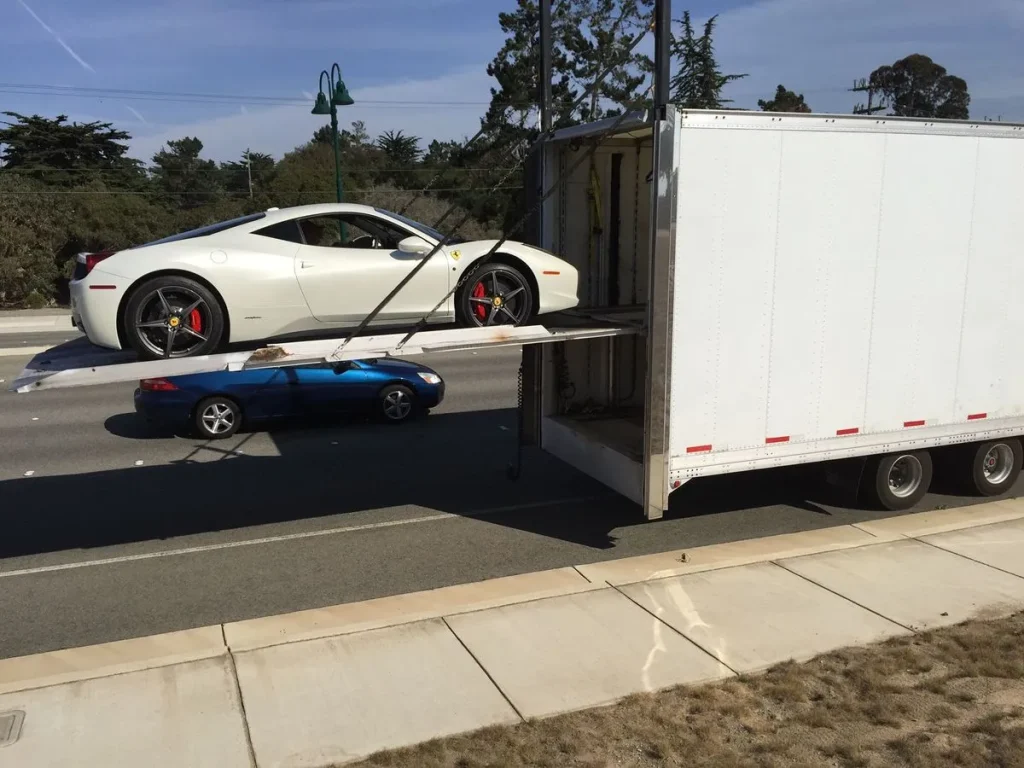
Some vehicles need more than ordinary transportation. Classic automobiles, collector cars, luxury models, exotic sports cars, and carefully restored vehicles may benefit from a shipping method that offers additional protection against outdoor conditions.
American Vehicle Transport provides information about enclosed car transport for customers exploring vehicle shipping options from Los Angeles and other destinations. Enclosed transportation uses a covered trailer to shield vehicles from direct exposure to rain, dust, and many road hazards during transit.
If your vehicle is valuable, difficult to replace, or important to you for personal or collectible reasons, enclosed auto transport may be worth considering.
Enclosed auto transport is a vehicle shipping method in which cars are carried inside a trailer with protective walls and a roof. Unlike an open carrier, the enclosed trailer creates a barrier between the vehicle and many environmental elements.
Depending on the transport equipment and arrangement, enclosed carriers may use different loading systems and vehicle-securing methods. The correct equipment depends on the vehicle’s dimensions, weight, ground clearance, and operating condition.
Customers should discuss any special requirements before booking, especially for low-clearance sports cars, modified vehicles, and automobiles that require careful loading.
The covered trailer reduces direct exposure to rain, dust, and road debris. Although enclosed transport cannot eliminate every transportation risk, it offers an additional layer of environmental protection compared with an open carrier.
Owners of classic automobiles may want to reduce exposure to outdoor conditions during transportation. Enclosed shipping can be a practical option for vehicles with restored paintwork, distinctive finishes, or collectible value.
Luxury sedans, exotic sports cars, performance vehicles, and specialty automobiles may have specific handling or loading requirements. Enclosed transport may be appropriate when the vehicle owner prefers a covered carrier and the required equipment is available.
A vehicle inside a covered trailer is less visible to people outside the carrier. Some owners value this added privacy when transporting distinctive or valuable automobiles.
Enclosed transport may suit owners of high-value vehicles, restored classics, collectible models, specialty sports cars, and automobiles that require additional environmental protection.
It may also be appropriate for vehicles with low ground clearance when the carrier offers compatible loading equipment.
However, not every vehicle requires enclosed shipping. For many everyday cars, open car transport provides a practical alternative at a generally lower cost. Comparing both options can help you choose based on your vehicle and budget.
Provide the make, model, year, dimensions where necessary, and information about modifications or mechanical condition. Mention low ground clearance, custom bodywork, oversized wheels, or other features that may affect loading.
Ask about enclosed carrier availability for your route, the loading method, estimated pickup and delivery windows, and any special preparation requirements. Confirm that the equipment is suitable for your vehicle.
Check the total quoted price, payment terms, cancellation conditions, applicable insurance documentation, and claims process. Enclosed transport often costs more than open transport because of specialized equipment, operating expenses, and carrier capacity.
Remove personal belongings, clean the exterior, photograph the vehicle from multiple angles, and document existing damage. Follow the carrier’s instructions concerning keys, alarms, fuel, and accessibility.
Review the applicable inspection report or bill of lading when the vehicle is collected. At delivery, inspect the vehicle carefully, compare its condition with the original records, and document any concerns promptly.
Pricing depends on route distance, vehicle size and weight, equipment requirements, carrier availability, scheduling flexibility, pickup and delivery accessibility, and seasonal demand.
Specialized loading needs may affect the quote. For that reason, providing accurate details about the vehicle is important before accepting a transportation arrangement.
Ask the provider to explain what is included in the quoted amount and whether any additional charges may apply.
Enclosed transport provides additional environmental protection, but it does not guarantee damage-free delivery. Customers should request written information about the carrier, applicable insurance coverage, exclusions, deductibles, and claims procedures.
Retain the transportation agreement, inspection documents, photographs, and communications relating to the shipment.
Find answers to some common questions about car shipping and vehicle transportation.
The cost depends on the shipping distance, vehicle size and weight, carrier type, route demand, scheduling, and pickup and delivery accessibility. Enclosed transport generally costs more than open transport. Request a quote based on your specific vehicle and route for a more accurate estimate.
Open transport carries vehicles on an exposed carrier and is generally a more economical option. Enclosed transport moves vehicles inside a covered trailer, reducing direct exposure to weather and road debris. Your vehicle type, budget, and protection preferences can help determine which option is appropriate.
Transit time varies according to distance, route, traffic, weather, carrier schedules, and other operating conditions. Pickup may also require additional scheduling time. Ask for an estimated pickup and delivery window when requesting your quote.
Door-to-door transport can arrange pickup and delivery as close as reasonably possible to your specified addresses. However, large transport trucks may not be able to access narrow streets, restricted areas, or certain residential locations. A nearby accessible meeting point may be necessary.
Remove personal belongings, clean the exterior, photograph existing damage, disclose mechanical issues, and follow the carrier's instructions. Review the vehicle inspection report at pickup and inspect your car again at delivery. Confirm the applicable insurance information and shipping terms before transportation begins.